CJ Begins Dialysis
A Dog's JourneyCJ Begins Dialysis marks the shift from discussion of a more permanent treatment to the repeated medical care her condition requires. The change comes through a household emergency: CJ collapses alone in the kitchen, Max alerts the neighbors, and Trent returns without her. After CJ is hospitalized, dialysis becomes a regular part of their lives, bringing physical hardship, fear, and a changed response from Max toward the people treating her.
The Decision and the Warning Signs
The decision had been approaching before the collapse. Trent checked CJ’s blood pressure and raised the possibility that it was time to discuss a more permanent treatment regimen. CJ objected specifically to dialysis, making clear that she did not want it. Trent, worried about her, urged her to see a doctor. The exchange places the treatment in a difficult emotional context: it is not a choice CJ welcomes, even as Trent sees it as necessary to protect her.
That night, CJ went to bed early. When Trent fed Max, he did not give the familiar Pray command, but Max detected a strong odor on his breath and performed the alert anyway. The episode places Max’s scent-based attention beside the human conversation about treatment, without suggesting that he understands the medical decision. His perception registers a change in the household before the emergency that follows.
Collapse and Rescue
The next morning, shortly after Trent had left, CJ made a second trip between the balcony and kitchen to fill a can with water. She fell in the kitchen and did not respond when Max ran to her and licked her face. He heard her breathing shallowly, and her breath smelled sickly and sour. The ordinary task and sudden collapse leave Max with no way to help her directly; he can only seek someone who can.
Max ran to the front door, barked, and then went out onto the balcony. When he returned to CJ, her breathing had weakened. He scratched desperately at the door until his nails carved a groove in the wood. Footsteps eventually sounded outside, and he recognized Mrs. Warren and Harry by scent. As they cautiously entered and called for CJ and Trent, Max ran toward the kitchen, looking back to make sure they followed. His movements turn the dog’s limited means of communication into the route by which the neighbors find CJ.
A few minutes later, men placed CJ on a bed and carried her away. Mrs. Warren picked Max up and comforted him, calling him a good dog, but then she and Harry left too. Max was alone in the apartment, pacing as daylight faded and night came. The scene makes the rescue only a partial relief: CJ has been found, but Max cannot follow her or know what will happen next.
Treatment Becomes Routine
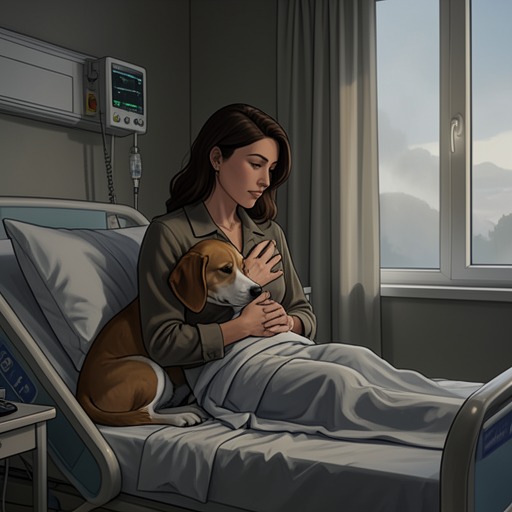
When Trent finally returned, CJ was not with him. He apologized to Max and took him for a walk, where Max could relieve himself. Trent told him that they had to be there for CJ and that, although she would dislike dialysis, she had no choice; the emergency could have been much worse. A few days later CJ came home exhausted and went straight to bed. Max curled up beside her, relieved that she had returned but apprehensive at her sadness and frustration.
From then on, CJ and Max were picked up in a car outside their building every few days and driven to a room where people attended to her. Trent accompanied them at first. Max lay quietly as the staff worked, watching CJ arrive weak and ill and leave exhausted and sad. Sometimes they hurt her arm. Although he might previously have growled at people who caused her pain, he understood that these workers were not to blame and did not growl at them. The repeated visits therefore change not only the shape of CJ’s days but also Max’s response to the people providing her care.
Recovery, Waiting, and the Couple’s Bond
The treatment visits had a discernible rhythm: the day after going to the clinic was usually a good day for CJ, when she felt stronger and happier. That improvement does not erase the cost of the sessions, but it gives the recurring journey a consequence Max can observe. The visits bring weakness and exhaustion, while the following day often brings renewed strength.
CJ told Trent that people expected it would probably be years before she received a kidney because so few were available. Trent answered with a laugh that he had been wondering what to buy her for her birthday and had one just her size. The joke gestures toward the possibility of his kidney being a gift, while the conversation itself keeps the wait for a transplant in view. Dialysis is thus presented not as a brief interruption but as the care CJ must accept while waiting, and as a shared ordeal in which Trent’s concern, CJ’s reluctance, and Max’s steady companionship all become part of the new routine.